


The cooperative project between the Dien Bien Department of Agriculture and Environment and Niinuma Tomofarm Co., Ltd. focuses on building a smart agriculture model. Through this, the project aims to promote high-tech agricultural management locally based on a remote support platform.
Dien Bien was selected due to its favorable climatic conditions, abundant agricultural land, and an increasingly clear demand for shifting towards high-quality commodities, along with active attention and support from the Provincial People’s Committee and the Department of Agriculture and Environment.
Synchronized Application of Japanese Technology in Production
The project is currently constructing 02 high-tech greenhouse zones. Here, the system is fully equipped with a synchronized suite of modern devices, including:
-
Cooling and ventilation systems (exhaust fans, cooling pads).
-
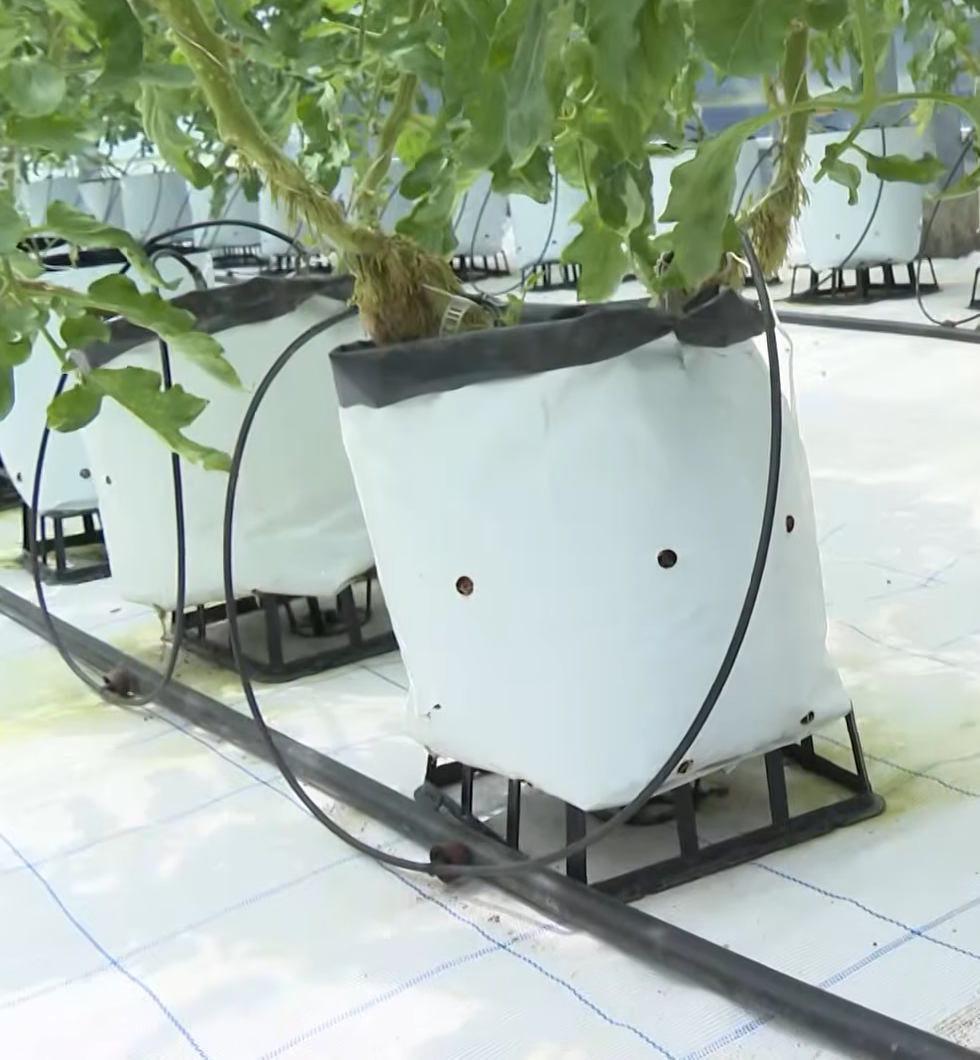
Automatic nutrient solution mixing and irrigation systems.
-
Automatic roof and side vents opening/closing systems.
-
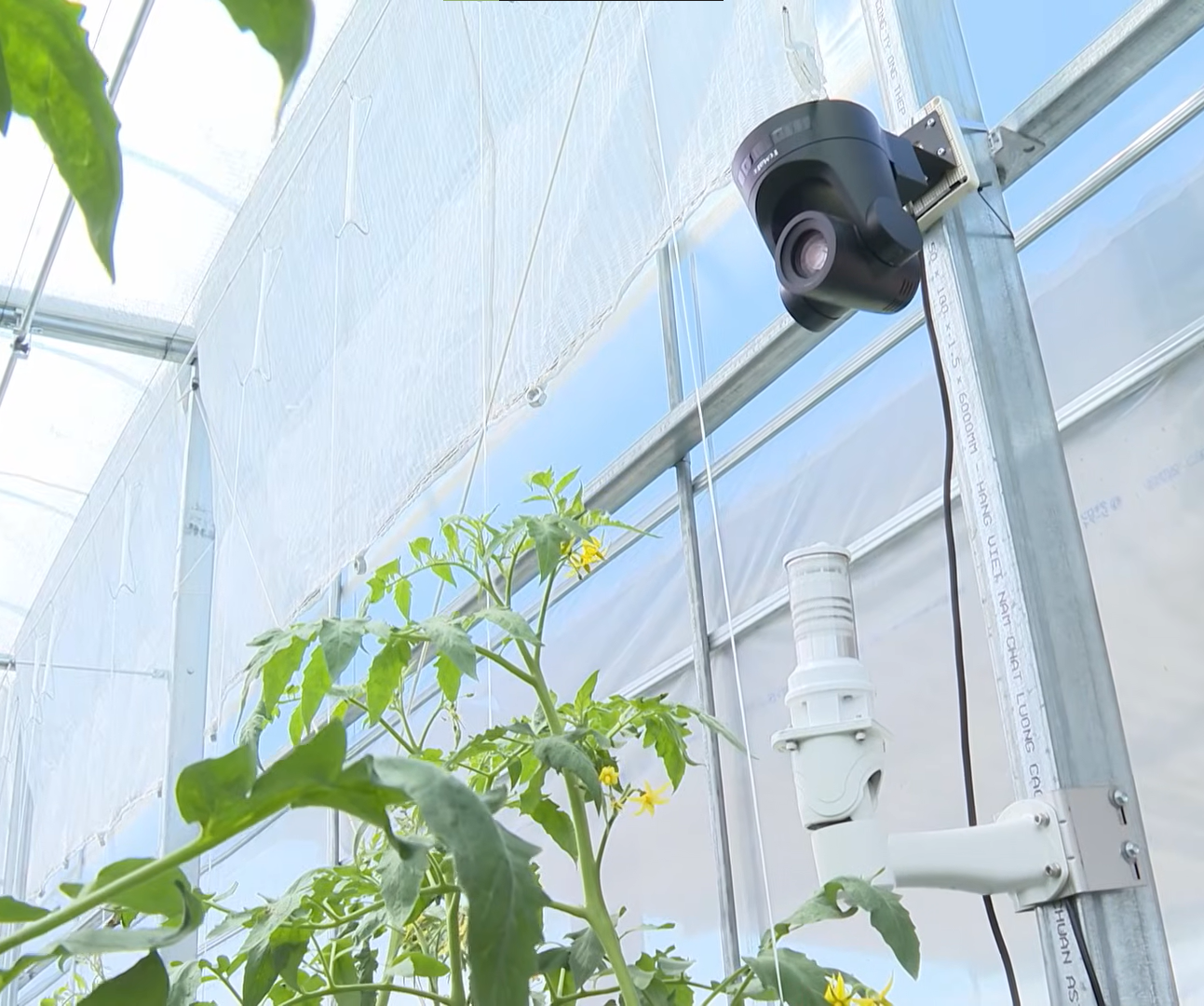
Shading screen systems and environmental sensors.
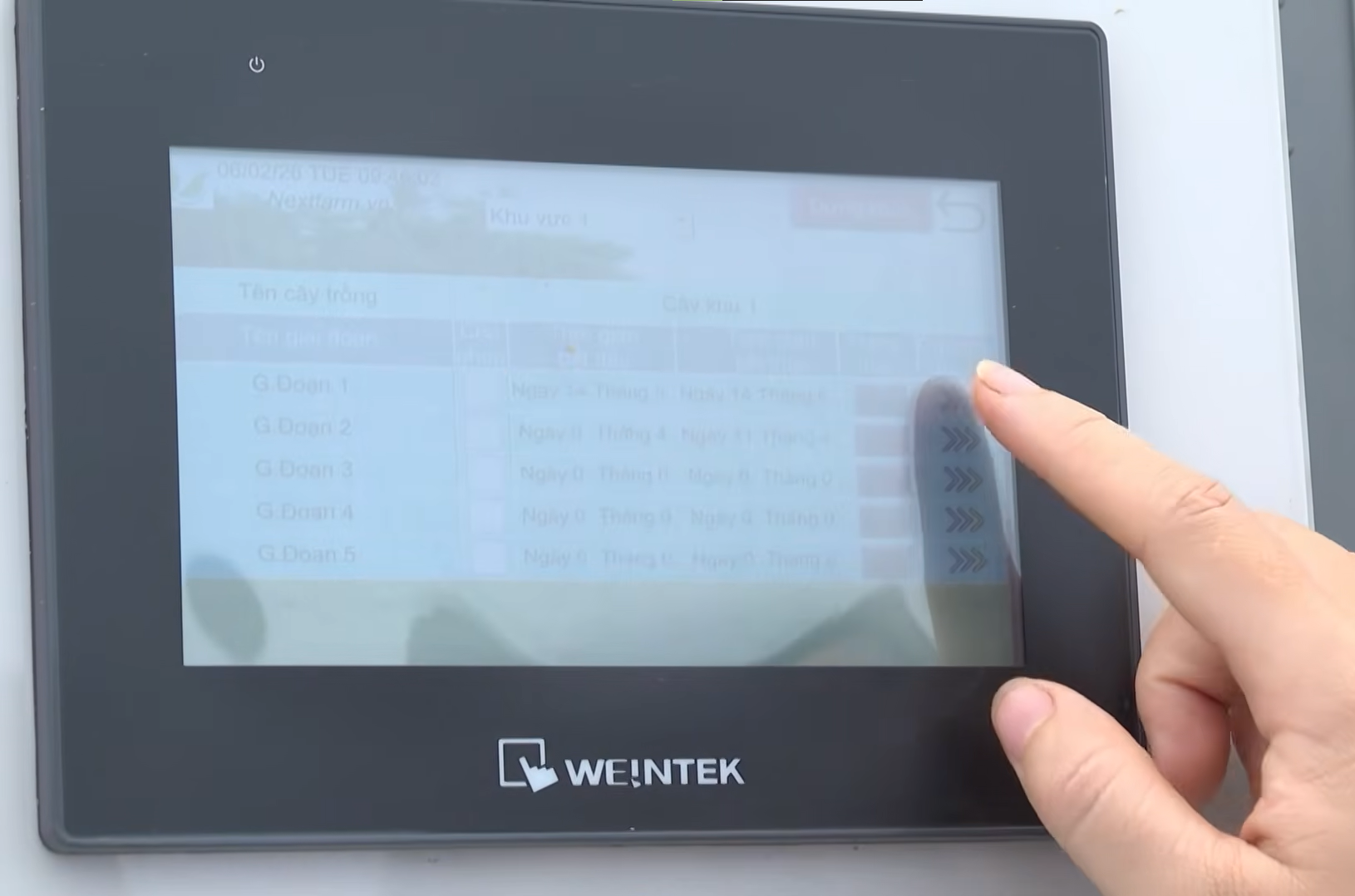
The sensors continuously monitor temperature, air humidity, light intensity, CO2 concentration, and substrate moisture. Based on the collected data, the system is capable of fully automated operation to control peripheral devices, maintaining the best growth conditions for the crops. Additionally, the automatic fertigation system ensures plants receive the most precise amount of nutrients according to each growth stage based on pre-set formulas.
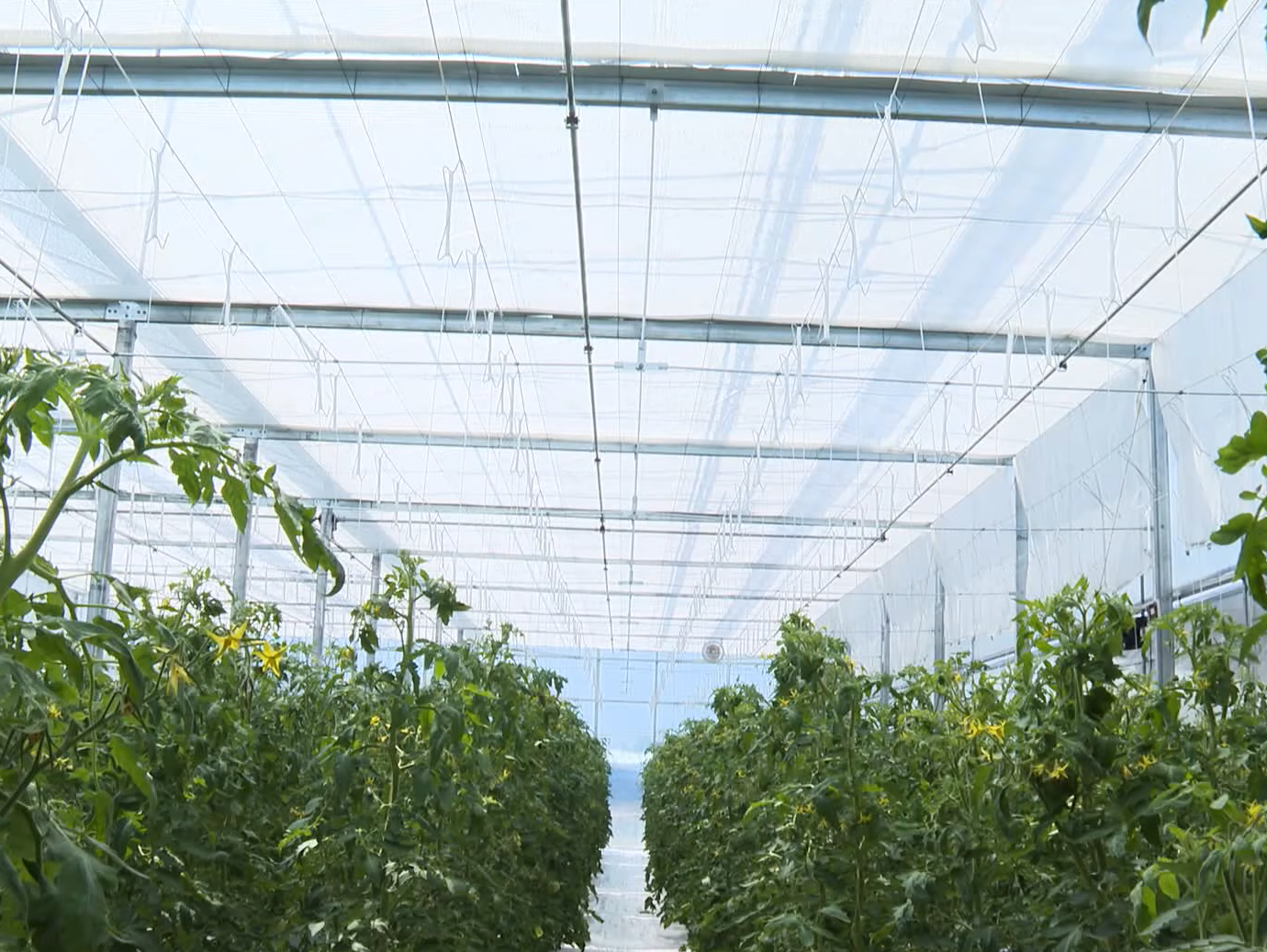
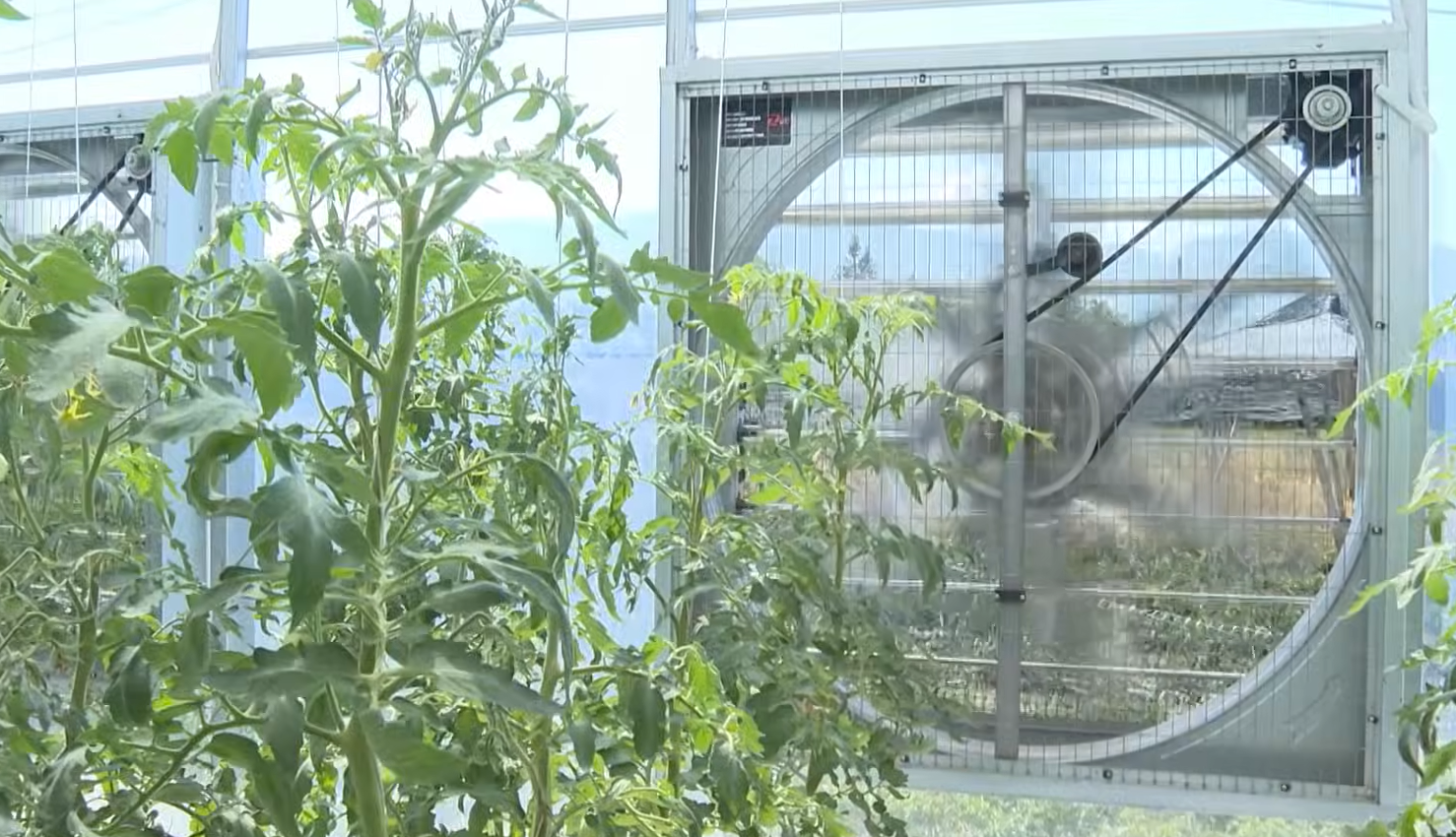
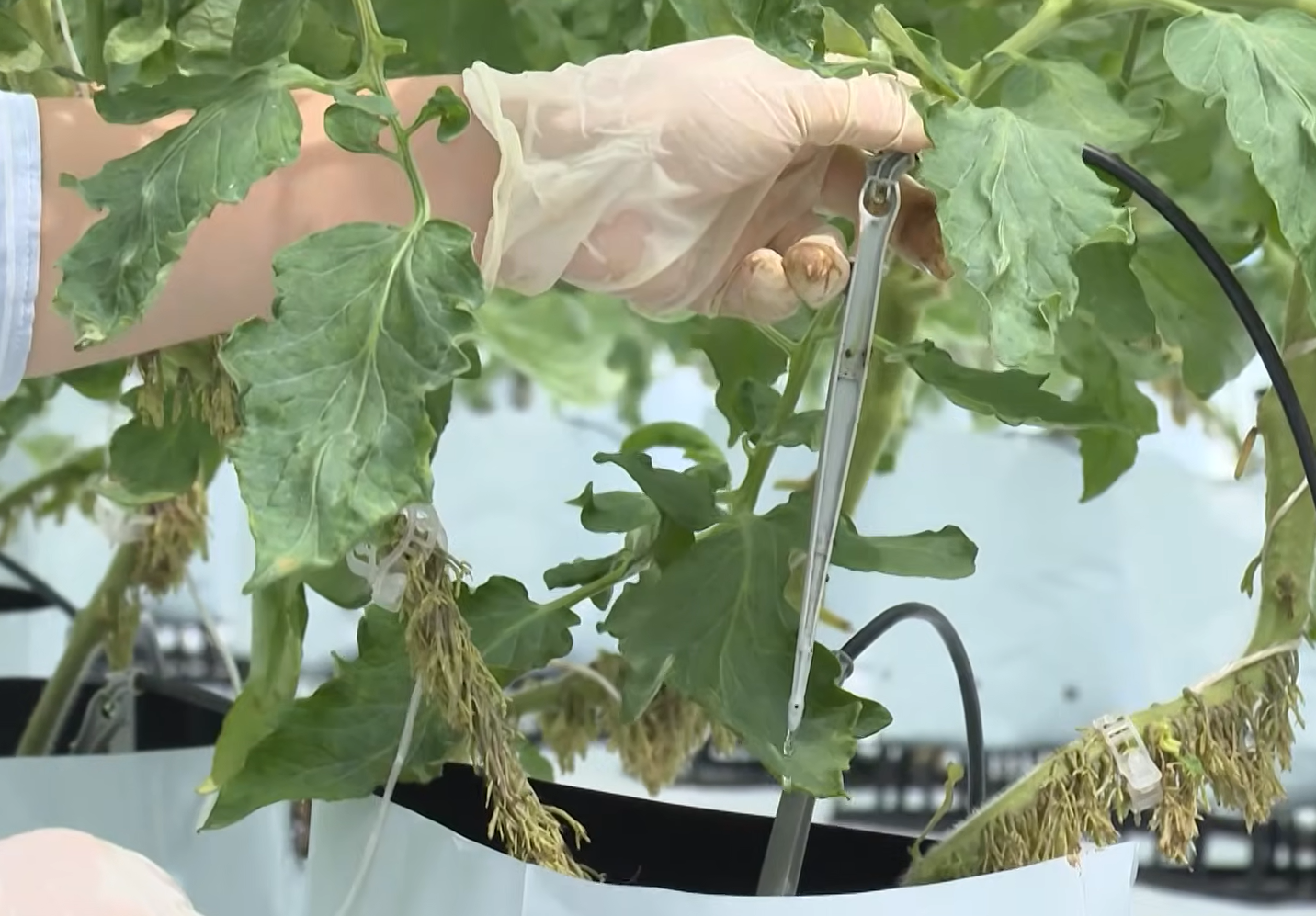
Source: Dien Bien TV
Remote Technical Support from Japanese Experts
The Japanese expert team provides technological support through two methods:
-
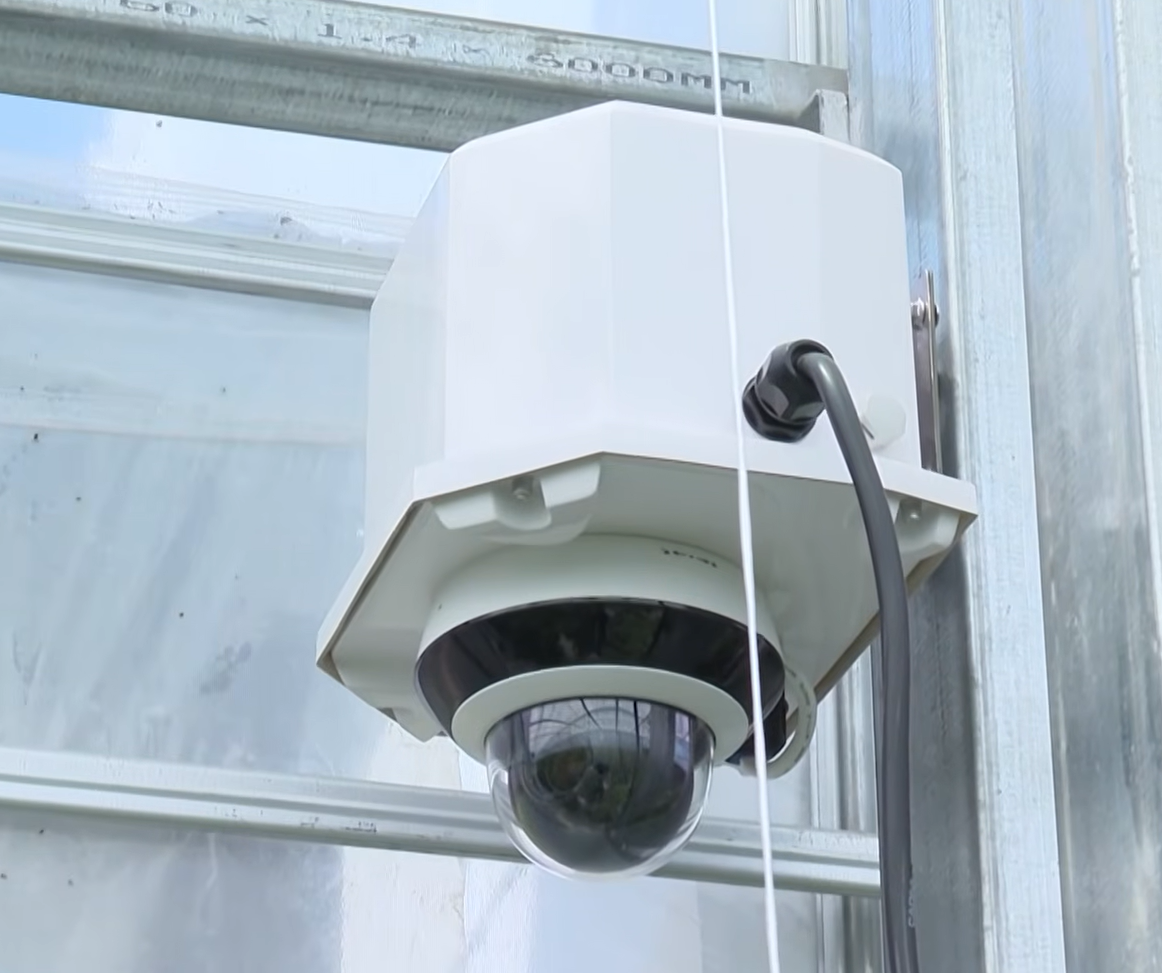
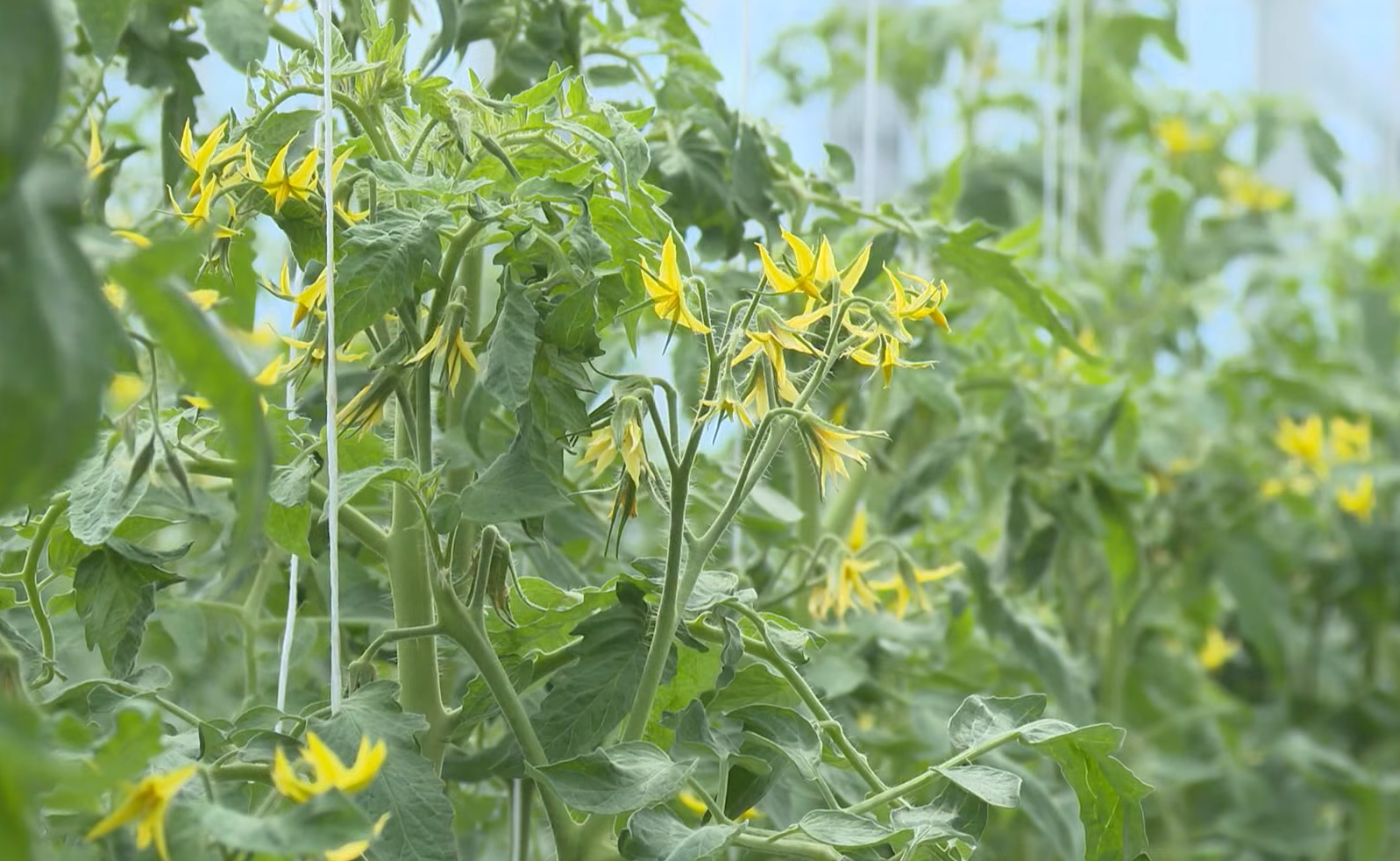
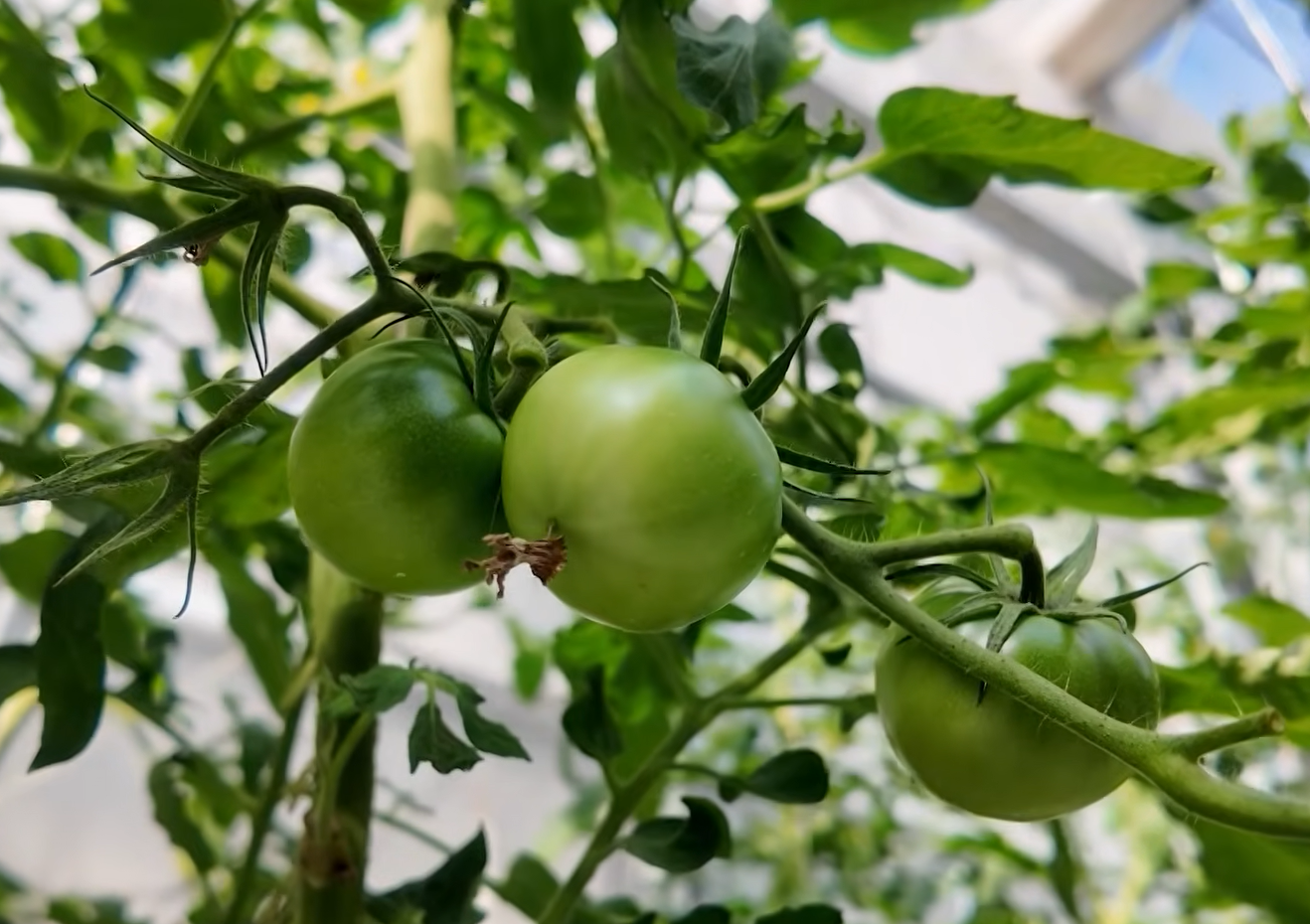
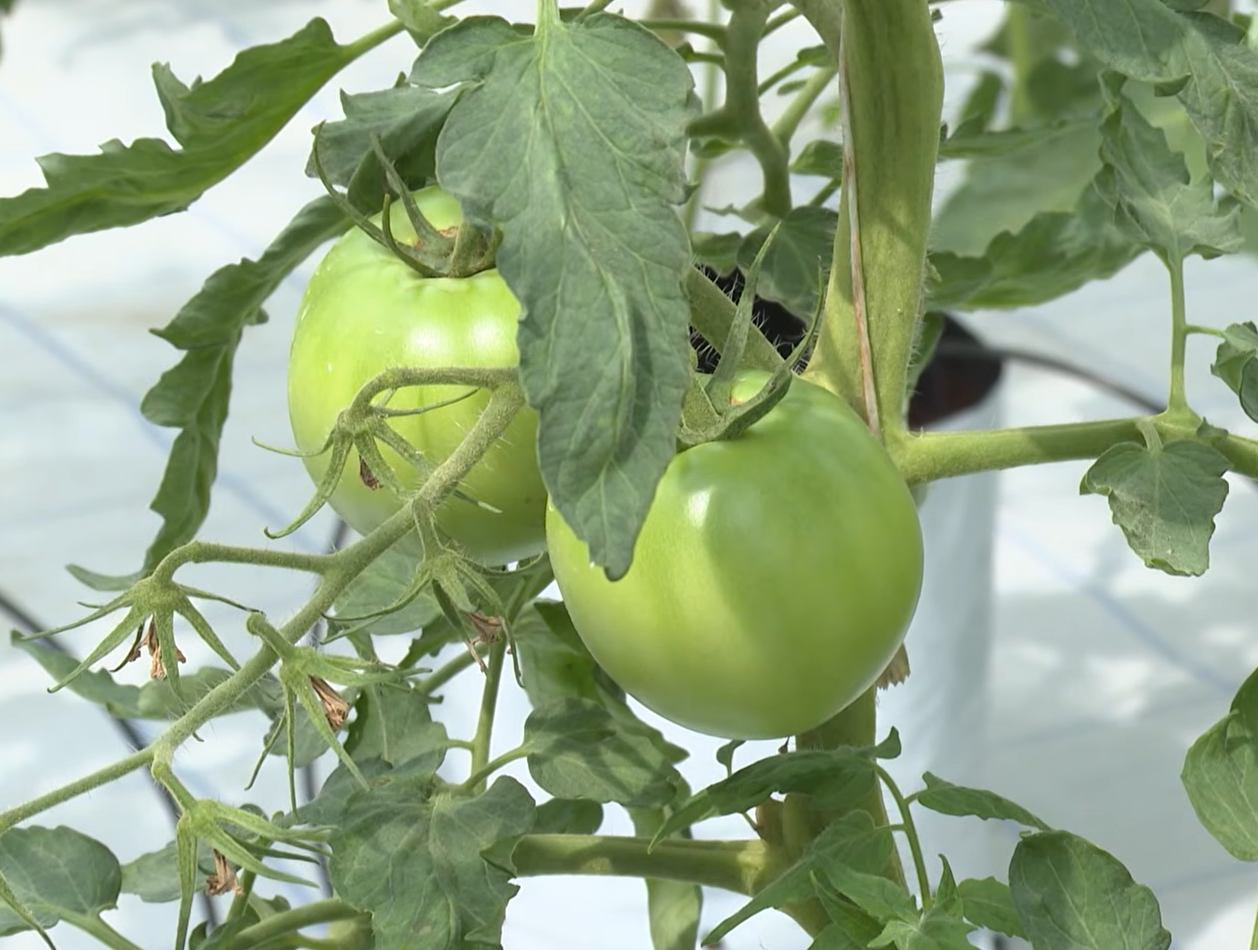
Weekly online guidance: Experts evaluate crop growth (currently pruning shoots and trellising vines for tomatoes) via real-time images and reports sent from the center, thereby providing specific recommendations and measures.
-
Periodic on-site inspections and guidance: Ensuring close alignment with actual production conditions on the ground.
Overcoming Difficulties
During implementation, the project has encountered several local challenges:
-
Harsh climate: Dien Bien’s weather features a very high temperature differential between day and night (temperatures soar during the day and drop significantly at night), requiring the control system to operate with extreme precision.
-
Technical inputs: During the pilot phase, some equipment still experienced minor errors and is being troubleshoot with expert support. Laborers also required time to familiarize themselves with the new technology.
Despite initial unfamiliarity, thanks to regular training, the technical staff directly executing the model at the Dien Bien Agricultural Extension Center for Crop and Livestock Breeding, along with local laborers, have rapidly adapted and gradually mastered the operational technology.
Efficiency and Expectations for Replication before the August 2026 Deadline
Currently, the model is focusing on piloting high-tech tomatoes, which helps mitigate weather impacts, reduce pests and diseases, and enhance product yield and stability. Given Dien Bien’s conditions, this greenhouse model holds potential for expansion to other high-value crops such as cantaloupe, strawberries, bell peppers, and premium vegetables.
The project is scheduled to conclude in August 2026. The locality’s highest expectation is to fully master the technology for efficient operation and gradually replicate the model in actual production, contributing to digital transformation, elevating agricultural product value, and boosting income for farmers in Dien Bien province.
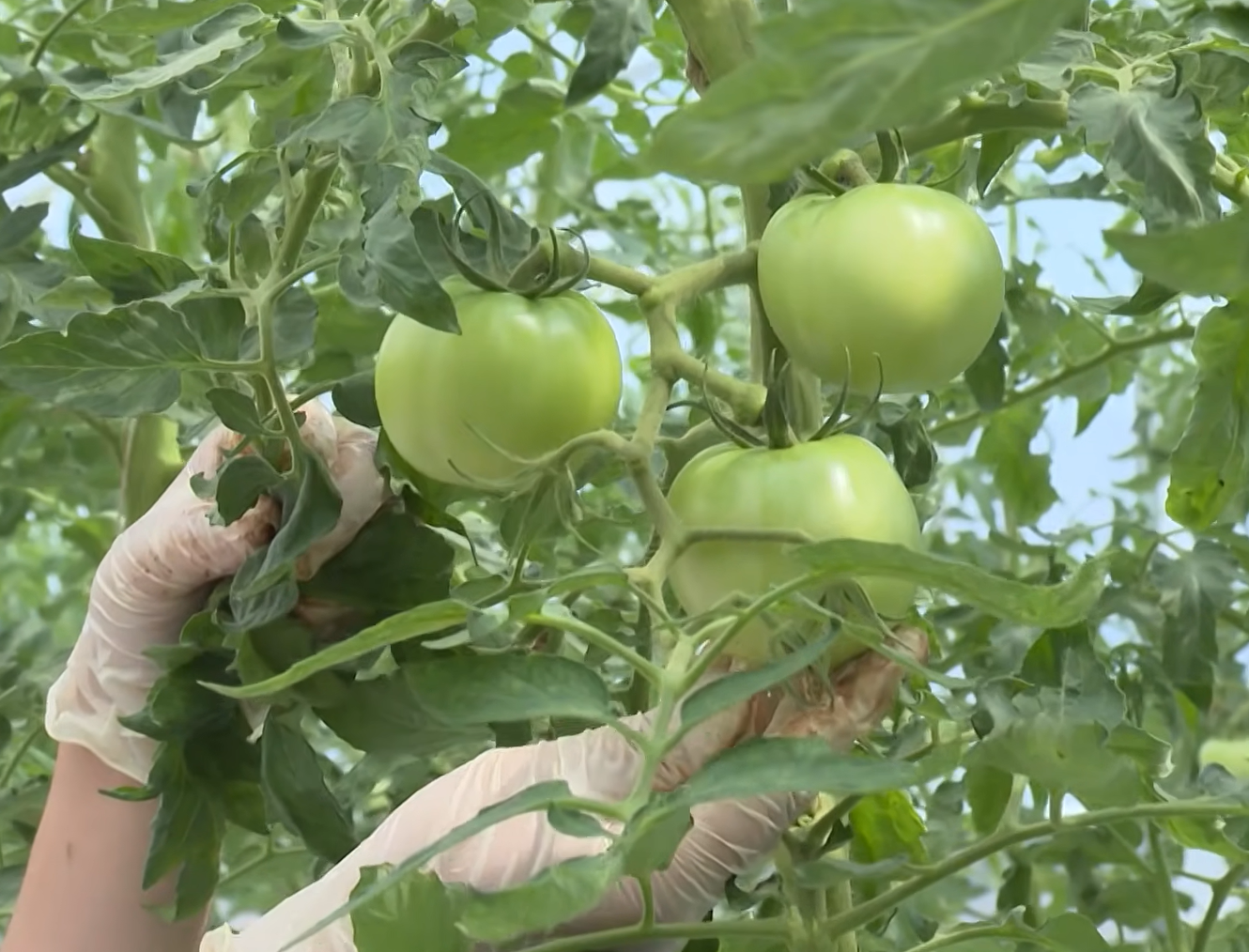
Source: Dien Bien TV